How to Choose the Right 10kV Arc Flash Clothing: A Complete Safety Guide
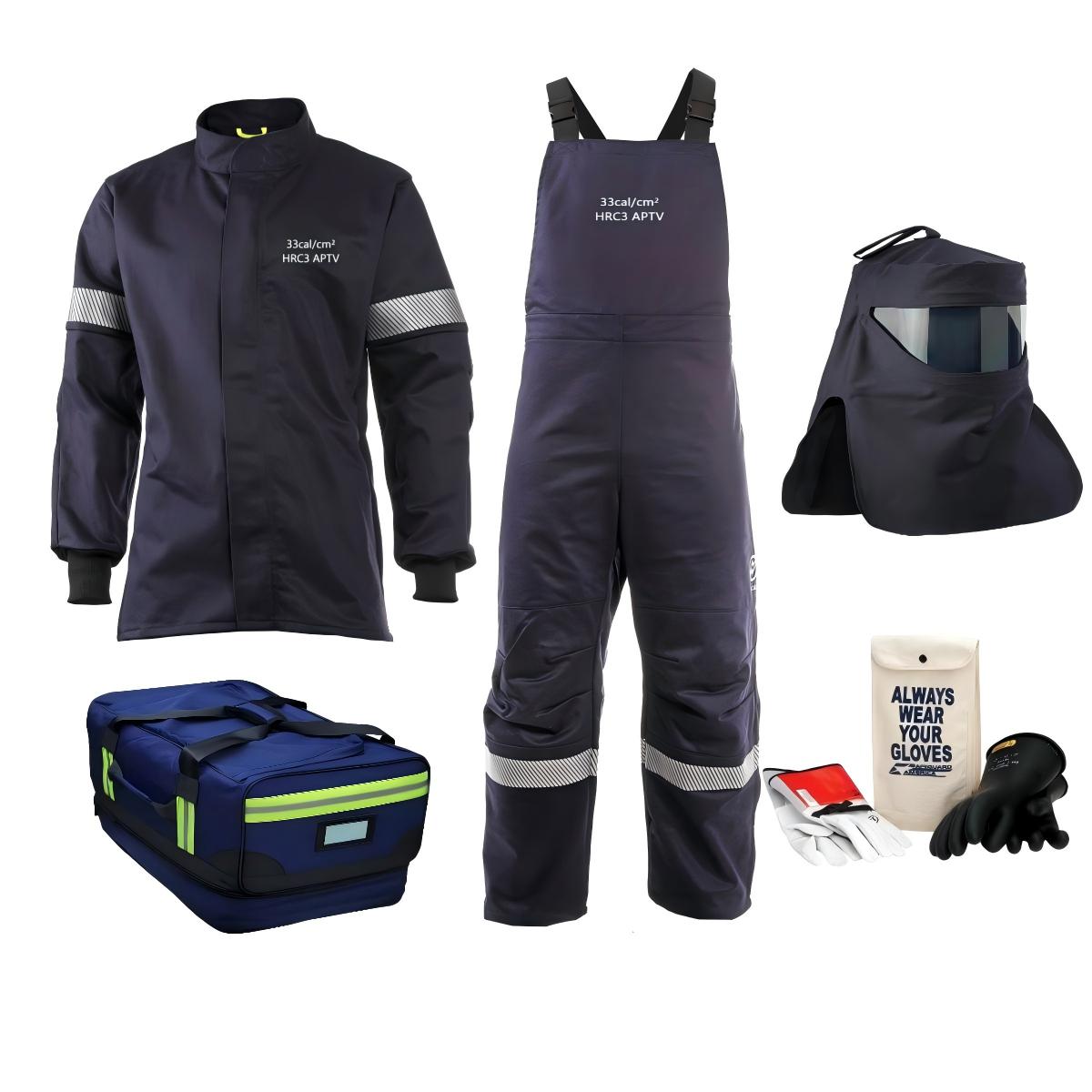
10kV electrical operations, including substation maintenance, switchgear inspection, and power line repairs, carry high risks of arc flash accidents. An unexpected arc flash can produce extreme temperatures of up to 20,000°C, causing severe burns and blast injuries in milliseconds. For electrical workers, 10kV arc flash clothing is essential personal protective equipment (PPE) and the final barrier against thermal hazards. Many buyers and field workers mistakenly select low-level flame-resistant garments or confuse arc-rated clothes with insulating suits, leading to inadequate protection. This guide explains how to choose compliant, durable, and cost-effective 10kV arc protection clothing for professional electrical work.
Arc Flash Clothing vs Insulating Suit: Key Difference
The most common purchasing mistake is mixing up arc flash clothing and electrical insulating suits, as they serve entirely different safety purposes.10kV arc flash clothing is designed to resist extreme arc heat, thermal radiation, and molten debris, preventing thermal burns. It is evaluated by the ATPV (Arc Thermal Performance Value) rating. In contrast, an insulating suit blocks electric current to avoid electric shock during live-line work, focusing on dielectric voltage resistance instead of heat protection.
For standard 10kV operations, the two types of PPE are complementary and cannot replace each other. Workers must wear certified arc flash clothing paired with insulating gloves and boots for full safety coverage.
10kV Arc Flash Clothing Standard & ATPV Rating Requirements
To meet global industrial safety norms, qualified 10kV arc protection clothes must comply with mainstream standards including NFPA 70E, IEC 61482, and GB 8965.4-2022. The ATPV rating is the core benchmark for protection level, representing the minimum arc energy to cause second-degree burns.
For professional 10kV electrical scenarios, Class 3 arc clothing with an ATPV of 25–40 cal/cm² is mandatory. Class 1 and Class 2 garments (below 25 cal/cm²) only apply to low-voltage and 6kV equipment and fail to withstand 10kV arc flash impacts. For high-frequency and high-risk 10kV operations, Class 4 arc flash clothing with over 40 cal/cm² is recommended for enhanced safety.
To better understand why 25 cal/cm² is the safety threshold for 10kV systems, electrical professionals rely on the standard arc flash boundary calculation formula (IEEE 1584), the globally recognized industry formula for arc hazard assessment and PPE selection. The core simplified arc flash incident energy formula for 10kV three-phase systems is as follows:
Arc Flash Incident Energy Formula: E = k × (I) × t / D
Where:
E = Arc incident energy (cal/cm²), the core index matching PPE ATPV rating
k = System voltage correction constant (10kV system fixed coefficient: 0.6–0.8)
I = Arc fault current (kA, typical 10kV short-circuit current: 10–20kA)
t = Arc exposure duration (s, general relay protection action time: 0.1–0.5s)
D = Working distance from workers to equipment (cm, standard 10kV operation distance: 45–60cm)
Through practical calculation of 10kV working conditions, the minimum arc incident energy of conventional substation and switchgear operations is stably higher than 25 cal/cm². This scientifically verifies that Class 3 (≥25 cal/cm²) arc flash clothing is the non-negotiable minimum standard for all 10kV electrical work, eliminating the risk of second-degree thermal burns. For high short-circuit current scenarios, calculated energy may exceed 40 cal/cm², requiring Class 4 high-level arc protection gear.
Best Fabric Selection for 10kV Arc Protection
Fabric quality determines protection stability, durability, and wearing comfort. Only inherently flame-retardant materials are qualified for long-term 10kV work.
Meta-aramid blend (Nomex IIIA) is the top choice for professional 10kV arc flash clothing. Composed of meta-aramid, para-aramid, and anti-static fibers, it features permanent flame resistance, no molten dripping under high heat, and excellent tear resistance. It maintains stable protective performance after over 50 washes, ideal for daily professional electrical work.
Flame-retardant cotton with post-treatment and ordinary chemical fiber fabrics must be avoided. Their flame-resistant coating fades quickly after repeated washing, and chemical fibers melt at high temperatures, causing fatal secondary burns.
Critical Design & Certification Checks
Reliable 10kV arc flash clothing adopts humanized and safety-focused structural designs. Key details include a sealed stand-up collar, Velcro closed cuffs and hems, and non-metallic accessories, which prevent arc heat and debris from penetrating through gaps and avoid electric contact risks caused by metal parts. Double flame-retardant thread stitching ensures structural stability against arc blast impact.
Before purchasing, always verify complete certifications and third-party test reports. Qualified products must have clear standard labels, official safety certifications, and detectable ATPV and wash resistance data to avoid counterfeit low-protection products.
Maintenance & Replacement Rules
Proper maintenance extends the service life and retains protective performance. Arc flash clothing should be washed with cold water in gentle mode without chlorine bleach, dry cleaning, or high-temperature ironing. Workers need to inspect garments before each use, checking for damage, oil contamination, and loose stitching.
Mandatory replacement is required after 3 years of service, 50 standard washes, or once the fabric is damaged and ATPV performance decays below the 10kV safety standard.
Final Conclusion
Choosing qualified 10kV arc flash clothing is crucial for electrical worker safety. The core selection criteria are clear: Class 3 ATPV ≥25 cal/cm² rating, inherent aramid flame-retardant fabric, compliant safety certifications, and standardized structural design. Never compromise safety for lower costs. High-quality arc PPE provides stable thermal protection for all 10kV power inspection, maintenance, and live-line operations.