
Arc Flash Suit: A Complete Guide to Protection, Standards & Selection
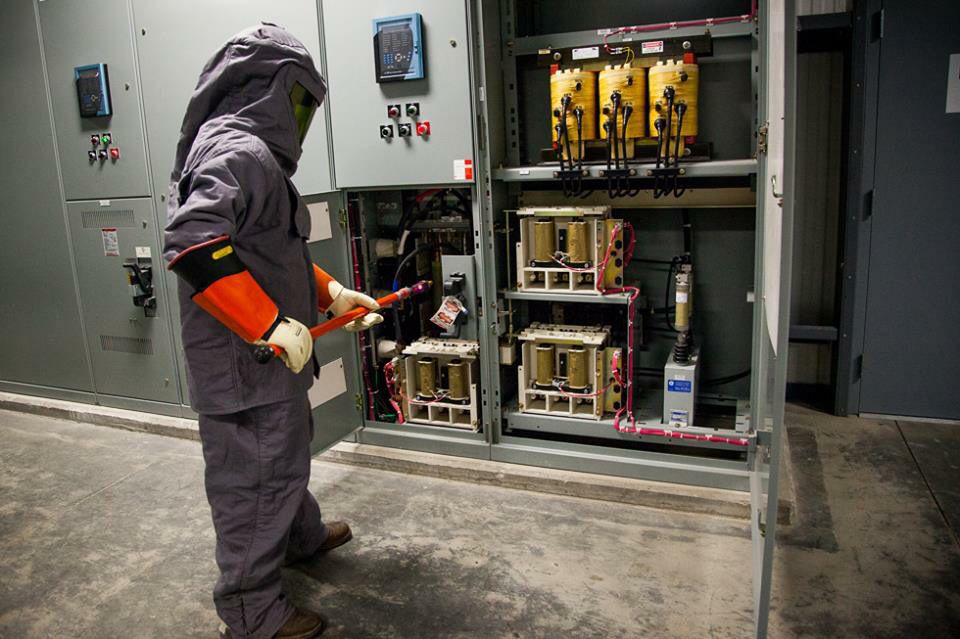
When working with energized electrical equipment, an arc flash suit is not just personal protective equipment (PPE)—it’s a life-saving barrier against one of the most dangerous workplace hazards. An arc flash, a violent electrical explosion caused by uncontrolled faults, can reach temperatures exceeding 35,000°F (19,426°C)—hotter than the surface of the sun—and release intense thermal energy, pressure waves, and flying debris. For electrical workers, engineers, and maintenance personnel, choosing the right arc flash suit, understanding its standards, and using it properly is non-negotiable for safety and compliance. This guide covers everything you need to know about arc flash suits, from their purpose and key components to选型 tips and maintenance best practices—optimized to help you find the information you’re searching for.
What Is an Arc Flash Suit? Definition & Key Purpose
An arc flash suit (also called arc-rated clothing or arc flash PPE) is a full-body protective ensemble designed to shield workers from the thermal burns, pressure injuries, and debris caused by arc flash incidents. Unlike standard flame-resistant (FR) clothing, arc flash suits are specifically tested and rated to withstand the extreme thermal energy released during an arc flash—critical because not all FR garments are arc-rated (all arc-rated fabrics are flame-resistant, but not all FR fabrics are arc-rated).
The primary purpose of an arc flash suit is to prevent second-degree burns and worse by blocking thermal radiation, resisting fabric breakdown, and providing comprehensive coverage. It is mandatory for workers operating on energized electrical systems (50 volts or higher), including tasks like switchgear maintenance, substation work, power generation unit repairs, and testing of live equipment.
Key Components of an Arc Flash Suit
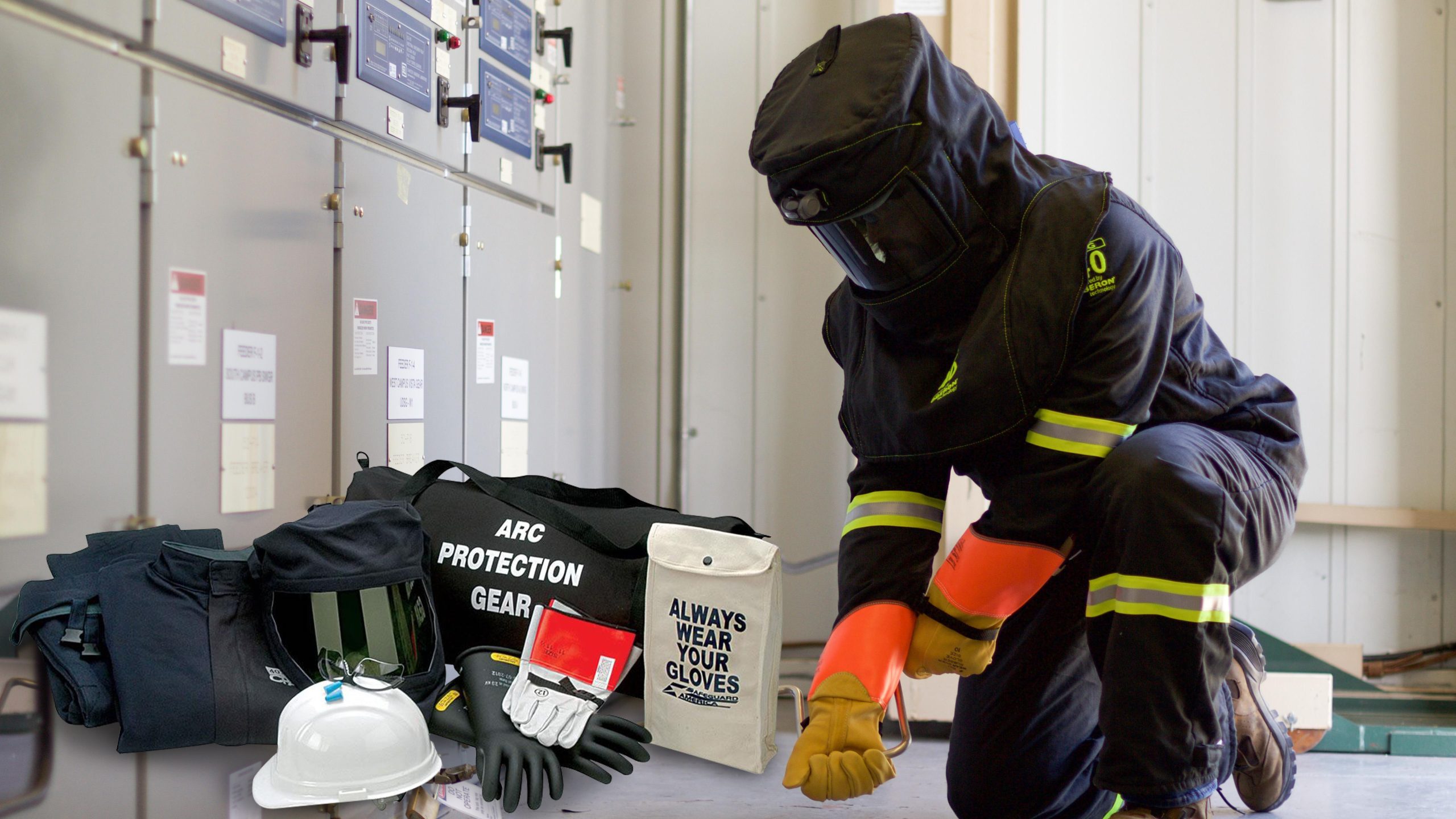
A complete arc flash suit is more than just a jacket and pants—it’s a coordinated system of PPE designed to protect every part of the body. The core components include:
-
Arc Flash Jacket & Pants: The foundation of the suit, made from arc-rated fabrics like aramid (Nomex, Kevlar) or inherent FR materials. Single-layer suits are lightweight and ideal for low-energy exposure (<8 cal/cm²), while multi-layer suits offer superior protection (25–40+ cal/cm²) for high-risk tasks.
-
Arc Flash Hood: A full-face hood (often with a balaclava) that covers the head, neck, and face, paired with a clear face shield to protect against blinding light and molten debris. High-quality hoods may feature True Color Grey (TCG) technology for improved visibility.
-
Arc Flash Gloves: Heat-resistant, electrically insulated gloves that prevent burns and electric shock during arc flash events. They must be rated to match the suit’s arc rating and comply with standards like ASTM F1506.
-
Arc Flash Boots: Insulated, FR boots that protect the feet from thermal energy and falling debris. Some suits also include gaiters to seal the gap between pants and boots for full coverage.
-
Storage Bag: A durable bag to store and transport the suit, protecting it from contaminants that could reduce its performance.
Arc Flash Suit Standards: What You Need to Comply With
Compliance with industry standards is non-negotiable for arc flash suits—they ensure the gear meets strict safety requirements and provides reliable protection. The most important standards globally include:
-
NFPA 70E: The leading U.S. standard for electrical safety in the workplace, which mandates arc flash risk assessments, PPE selection based on incident energy, and training for proper suit use. It also requires regular inspection and maintenance of arc-rated clothing.
-
CSA Z462: Canada’s equivalent to NFPA 70E, outlining requirements for arc flash protection, risk assessment, and PPE compliance.
-
ASTM F1506: A standard specifying the performance requirements for arc-rated textile materials used in electrical workers’ clothing, ensuring fabrics can withstand arc flash energy without breaking down.
-
ASTM F1959 & F2178: Test methods for determining the arc rating of materials and face protective products, respectively, ensuring consistent and reliable performance testing.
-
EN 11612 & IEC 61482-1-1: European standards for flame-resistant and arc-rated clothing, widely recognized globally for their strict safety criteria.
All arc flash suits must be labeled with their arc rating (measured in cal/cm²) and compliance certifications to ensure they meet the required safety level for the job.
How to Choose the Right Arc Flash Suit: Key Factors
Selecting the correct arc flash suit depends on your specific work environment, task, and risk level. Follow these steps to choose the right suit:
1. Conduct an Arc Flash Risk Assessment
First, calculate the incident energy (measured in cal/cm²) your workers may be exposed to using the IEEE 1584 standard—the industry’s widely adopted method for arc flash calculations. This energy level determines the minimum arc rating your suit must have. For example:
-
Low-risk tasks (e.g., routine maintenance on low-voltage equipment): 8–25 cal/cm² (HRC 2–3)
-
High-risk tasks (e.g., high-voltage switchgear work): 40+ cal/cm² (HRC 4)
2. Match the Arc Rating to the Hazard
The arc rating (ATPV, EBT, or ELIM) indicates the maximum thermal energy the suit can withstand before causing second-degree burns. Always choose a suit with an arc rating equal to or greater than the calculated incident energy. ATPV (Arc Thermal Performance Value) is the most common rating, representing the energy at which there is a 50% chance of second-degree burn.
3. Consider Fabric & Comfort
Arc flash suits are made from various FR materials, each with unique benefits:
-
Aramid Fabrics (Nomex, Kevlar): Lightweight, breathable, and inherently flame-resistant—ideal for long shifts. They do not melt or drip, providing consistent protection.
-
FR Cotton Blends: Cost-effective for low-risk tasks but less durable than aramid. Best for short-duration work in moderate temperatures.
-
Multi-Layer Fabrics: Offer enhanced insulation through air gaps between layers, perfect for high-energy arc flash scenarios but may be bulkier and less breathable.
Comfort is critical—uncomfortable suits may be worn incorrectly or avoided altogether. Look for features like breathable linings, adjustable cuffs, and lightweight designs to improve compliance.
4. Check Compliance & Certifications
Ensure the suit is certified to the relevant standards (NFPA 70E, CSA Z462, ASTM) and labeled with its arc rating, size, and manufacturer information. Avoid uncertified suits—they may not provide adequate protection and could lead to compliance violations.
Arc Flash Suit Care & Maintenance: Extend Lifespan & Safety
Proper care and maintenance are essential to keep your arc flash suit in optimal condition. Follow these best practices (aligned with NFPA 70E requirements):
-
Pre-Use Inspection: Check for tears, frays, stains (especially grease or oil, which reduce thermal performance), and damage to zippers or closures before each use. Damaged suits should not be worn.
-
Cleaning: Wash suits in cold water with mild detergent—avoid bleach, fabric softeners, or harsh chemicals. Hang dry or tumble dry on low heat; do not iron or dry clean, as this can damage the FR properties.
-
Storage: Store suits in a clean, dry, and cool area, away from direct sunlight, chemicals, and sharp objects. Use the provided storage bag to prevent contamination.
-
Replacement: Replace suits after an arc flash exposure (even if no visible damage is present), as the fabric’s protective properties may be compromised. Also, replace suits with excessive wear, tears, or fading (typically every 2–3 years with regular use).
-
Repairs: Only repair suits with the same thread and fabric specified by the manufacturer—improper repairs can void the warranty and reduce protection.
Common Myths About Arc Flash Suits (Debunked)
Misconceptions about arc flash suits can put workers at risk. Here are the most common myths, debunked:
-
Myth 1: All FR clothing is an arc flash suit.Fact: FR clothing is designed to resist flames, but only arc-rated clothing is tested to withstand the thermal energy of an arc flash. Not all FR garments are arc-rated.
-
Myth 2: Arc flash suits protect against electric shock.Fact: Arc flash suits are designed to protect against thermal burns, not electric shock. Workers still need insulated gloves, boots, and other PPE to prevent electric shock.
-
Myth 3: A higher arc rating is always better.Fact: Choose a suit with a rating that matches your incident energy—higher-rated suits are bulkier and less comfortable, which can reduce compliance for low-risk tasks.
-
Myth 4: Arc flash suits last forever.Fact: Suits degrade over time due to wear, washing, and exposure to chemicals. Regular inspection and replacement are necessary to ensure safety.
Top Industries That Require Arc Flash Suits
Any industry that works with energized electrical equipment requires arc flash suits. The most high-risk sectors include:
-
Electrical Utilities: Power generation, transmission, and distribution workers (substations, power lines) face constant arc flash risks.
-
Manufacturing: Factories with heavy machinery, electrical panels, and industrial equipment (e.g., automotive, aerospace, food processing).
-
Oil & Gas: Refineries and pipelines with electrical systems in hazardous environments.
-
Construction: Electrical contractors working on new builds or renovations.
-
Healthcare: Hospitals and medical facilities with critical electrical systems (e.g., MRI machines, emergency power).
Final Thoughts: Investing in the Right Arc Flash Suit
An arc flash suit is an investment in worker safety and compliance. By understanding its purpose, components, standards, and proper use, you can protect your team from life-threatening arc flash incidents. Remember: the best arc flash suit is the one that matches your risk level, complies with industry standards, and is comfortable enough to be worn correctly every time.
Whether you’re looking for asingle-layer arc flash suit for routine maintenance or a multi-layer HRC 4 suit for high-voltage work, prioritize certified, high-quality gear—and don’t cut corners on care and training. With the right arc flash suit and proper protocols, you can minimize risk and keep your workers safe.